When the news mentions a “chancellor” or a “coalition”, it helps to understand how German politics is arranged.
The Bundestag
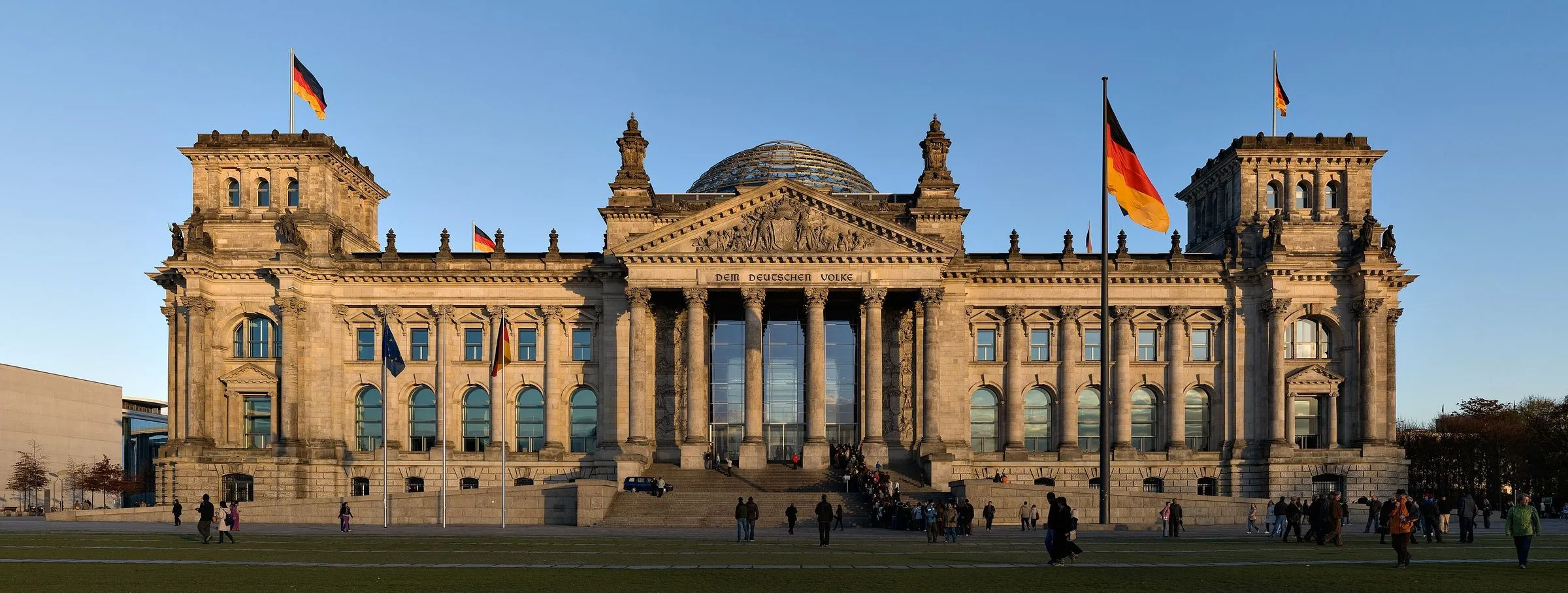
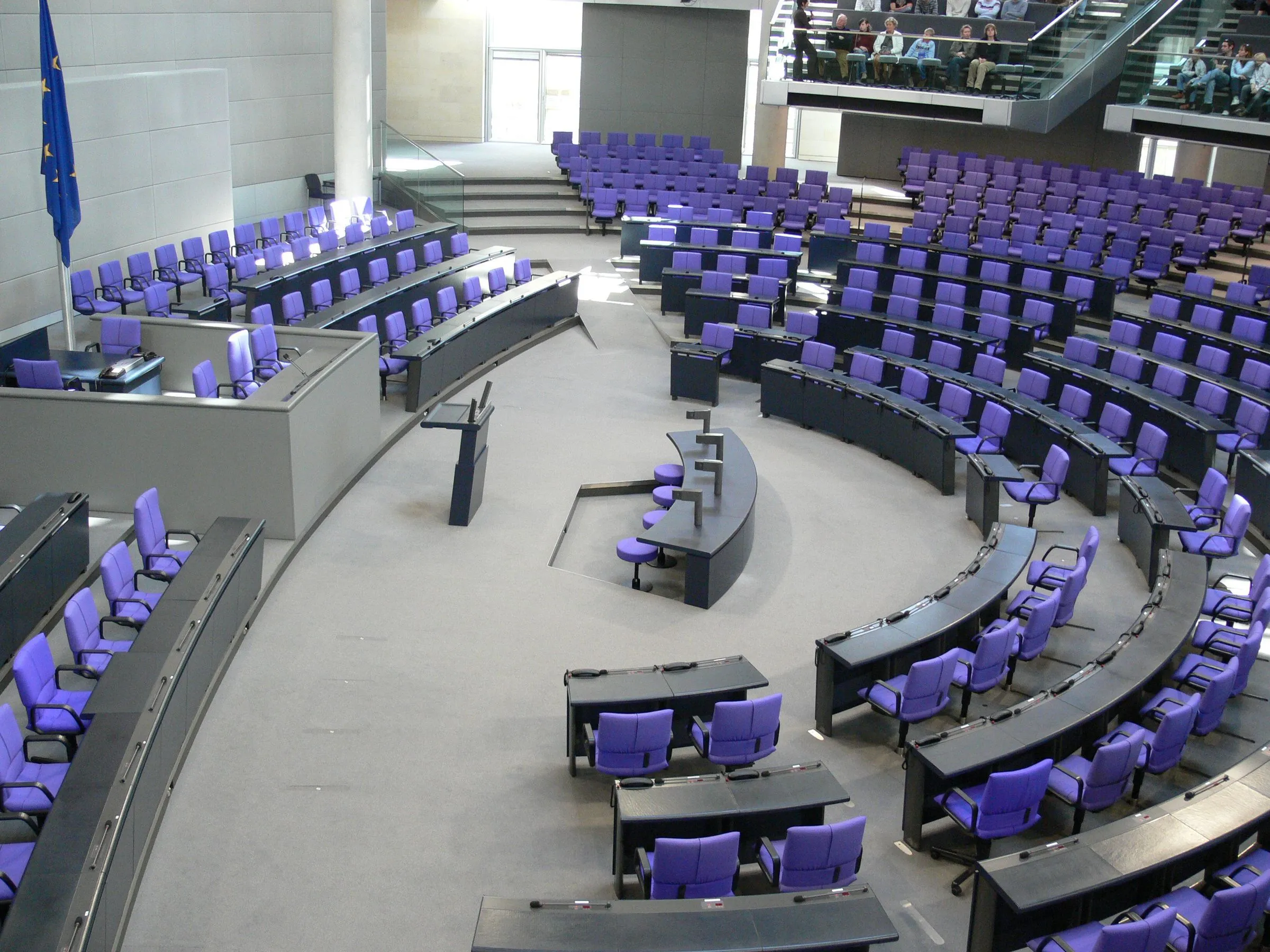
This is Germany’s parliament, elected by citizens. It adopts laws, approves the budget and elects the chancellor.
The chancellor
The chancellor heads the government and defines the main directions of policy. He is elected by the Bundestag and appointed by the president.
The Federal President
Mostly plays a representative role: signs laws, appoints the chancellor following the Bundestag’s decision and represents the country.
Coalitions
Rarely does one party get a majority of seats. So parties negotiate and form a coalition, signing a coalition agreement. It sets out which laws they plan to adopt.
The constructive vote of no confidence
In Germany you cannot simply send a chancellor into resignation. The Bundestag must immediately elect a new chancellor. This protects against political instability.
The federal structure
Germany consists of 16 states, which have their own governments and legislative powers. The Bundesrat represents their interests at the federal level.
Why this matters
Germany is the largest economy in the EU. Its decisions on the budget, defence and aid to Ukraine affect the policy of the whole union.
The information is general; read separate news for specific decisions.