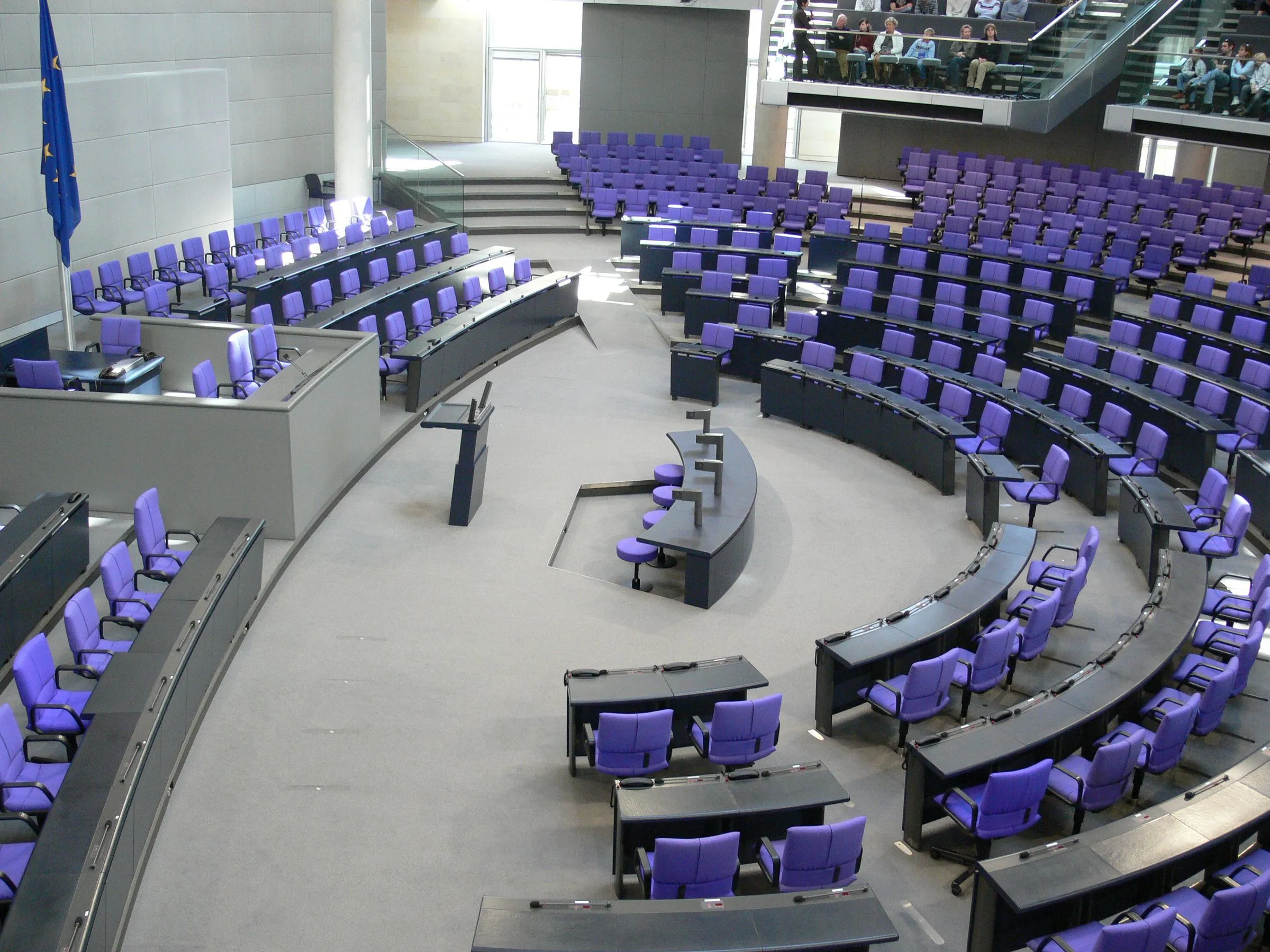

News from France often mentions the president, the prime minister and parliament. Let us sort out who is responsible for what.
The president
The president is elected by citizens in a direct vote. He is the head of state and commander-in-chief, defines foreign and security policy and appoints the prime minister.
The prime minister and government
The prime minister is appointed by the president, but the government needs the support of parliament. The prime minister runs domestic policy and is responsible for the work of ministers.
Parliament
It consists of two chambers: the National Assembly and the Senate. The National Assembly is elected by direct vote and can express no confidence in the government, which leads to its resignation.
When crises arise
If the president and the majority in parliament belong to different political forces, so-called “cohabitation” occurs: the president and government have to negotiate. A fragmented parliament makes decisions harder, especially on the budget.
Dissolving parliament
The president has the right to dissolve the National Assembly and call early elections. It is a tool used in times of deep crisis.
Why this matters
Understanding the mechanisms helps in reading news about government resignations, no-confidence votes and budget disputes. This is not only a domestic matter: France’s decisions affect EU policy.
The rules are described in general terms. Details may depend on specific circumstances and the provisions of the constitution.