
Domestic violence is not only physical beating. It is also psychological pressure, economic control, coercion and intimidation in a family or between partners. You are not to blame for what happened, and you have a right to protection.
What counts as violence
- physical: blows, shoving, restriction of freedom;
- psychological: insults, threats, isolation from loved ones;
- economic: a ban on working, control over money;
- sexual: coercion into intimate acts.
Where to turn urgently
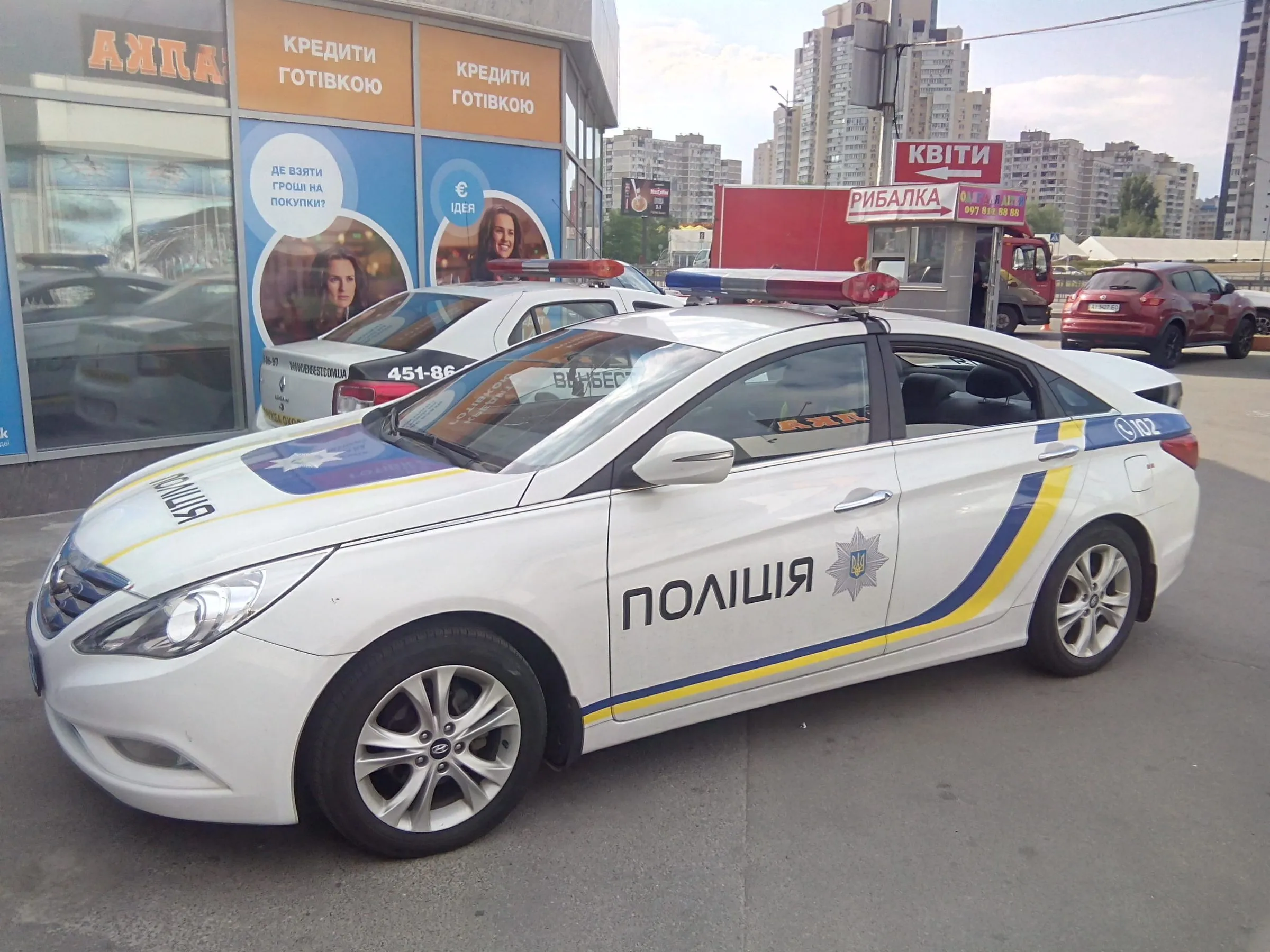
- 102. Call the police if there is a threat to life or health.
- The national helpline on countering domestic violence. Round-the-clock free help: psychological support and information on where to go next. Check current numbers on the websites of state and civic organisations.
- Support services for victims. Many cities have shelters and crisis centres.
How to document a case
- See a doctor and ask them to record physical injuries.
- Keep correspondence, voice messages, photos.
- Write down dates and circumstances of events.
- File a report with the police. You can also obtain a restraining order against the abuser.
How to prepare for a safe exit
- Make a plan: where you will go, who will help.
- Prepare documents, money, medicines and a phone charger.
- Agree with a trusted person on a signal after which they will call for help.
For those nearby
If you heard screams or suspect violence in your neighbours’ home, do not stand aside: call 102. Your call can save a life.
Nobody deserves violence. Asking for help is not weakness.