A utility bill often looks complicated. But it is not hard to make sense of, and doing so helps you spot a mistake in time.
What a bill consists of
- Name of the service: heating, water, sewerage, electricity, waste collection.
- Unit of measurement: gigacalories, cubic metres, kilowatt-hours, square metres.
- Tariff: the price per unit.
- Consumption: by meter or by standard.
- Benefits, subsidies, recalculations.
- Debt or overpayment from previous months.
How to check it
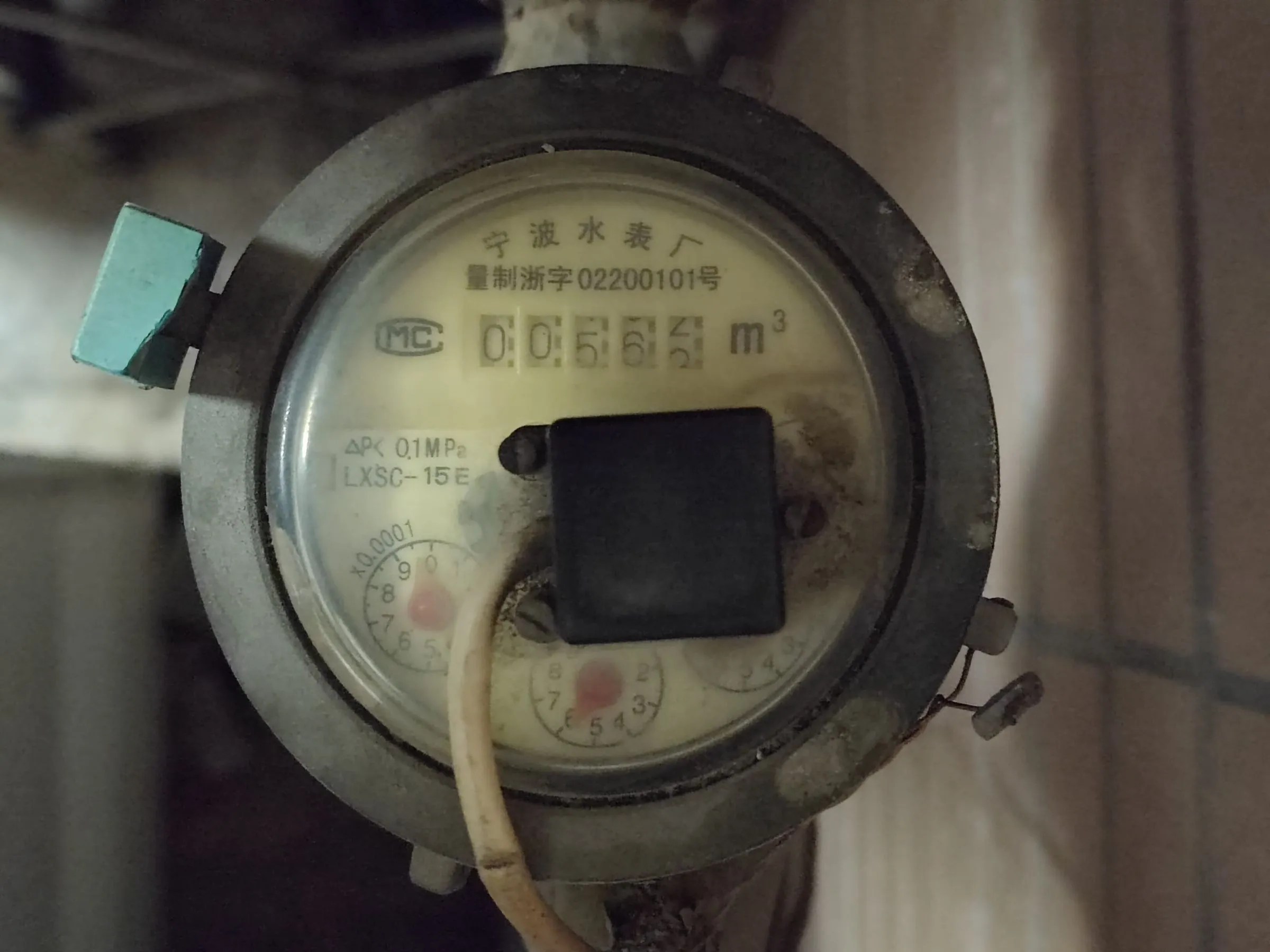
- Compare meter readings with those submitted.
- Multiply the volume by the tariff and compare it with the total.
- Check the flat’s area and the number of registered residents.
- See whether last month’s payment has been taken into account.
If you find an error
Contact the service provider: write a statement and attach copies of bills and meter readings. You can also turn to the building manager or the body that regulates tariffs.
Tips
Submit meter readings monthly on the same day. Keep bills and receipts for at least several years. If a charge suddenly rises, ask for a detailed calculation.
Consumers’ rights in utility services are protected by law, and current tariffs are published on the websites of suppliers and the city authorities.