Sanctions are talked about constantly, yet the mechanism of how they work is not always clear.
What sanctions are
These are restrictive measures that countries or international organisations apply against states, companies or individuals. The aim is to change behaviour or limit the ability to take certain actions.
Kinds of sanctions
- Financial: freezing assets, disconnection from payment systems, restrictions on lending.
- Trade: bans on importing or exporting goods and technologies.
- Sectoral: restrictions on individual industries, such as energy or the defence industry.
- Individual: entry bans and asset freezes for specific people.
Who imposes them
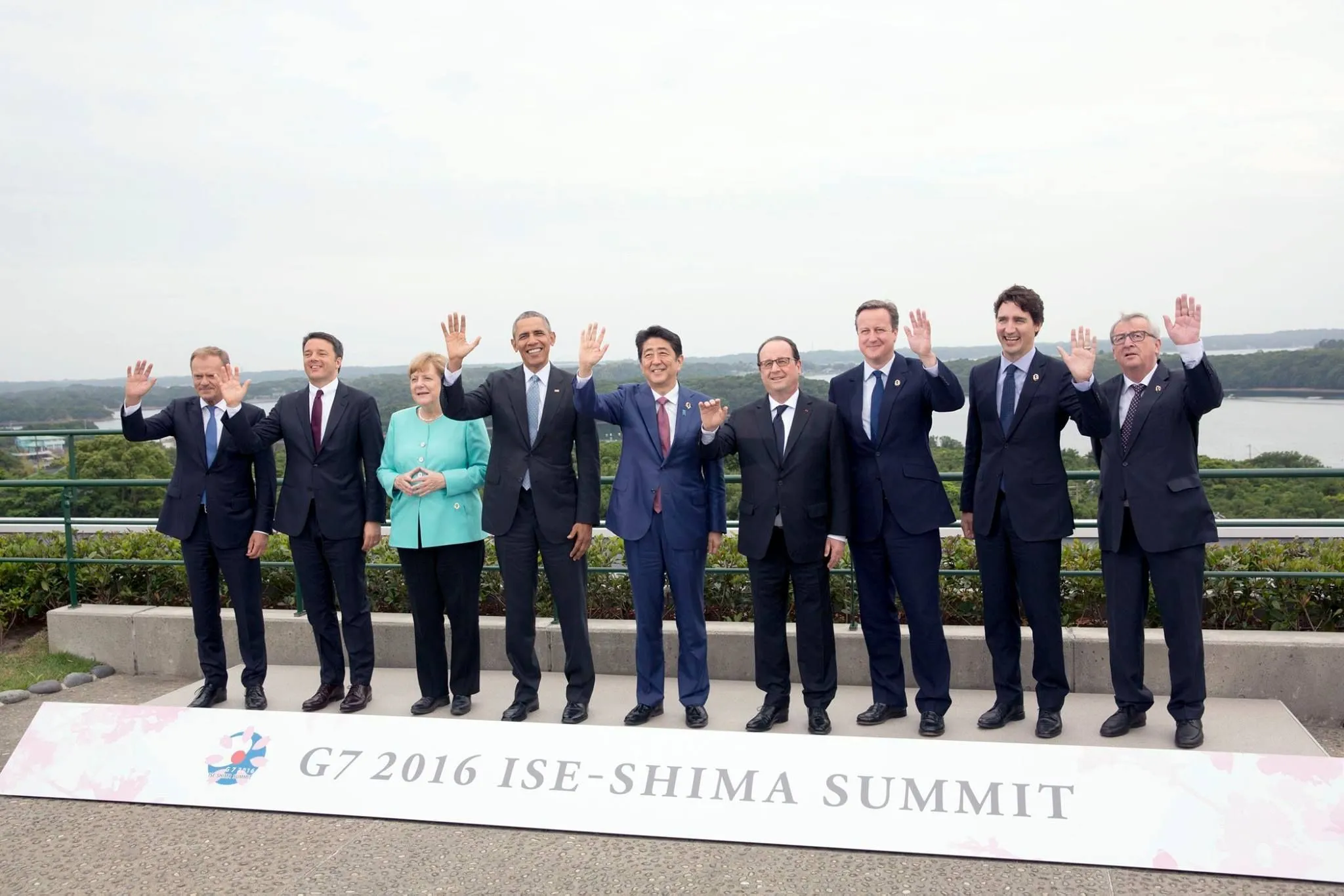
Sanctions are adopted by individual states, the EU and the UN. EU decisions require unanimity of the member states, and UN decisions depend on the Security Council.
Why they do not act immediately
An economy has reserves and alternative routes. Companies look for workarounds, and the effect accumulates over years. In addition, sanctions can weaken if they are not enforced.
What affects effectiveness
- The number of countries that have joined.
- Enforcement and the fight against circumvention.
- The availability of alternative markets.
So news of a “new package of sanctions” should be read carefully: what matters is what exactly the package restricts and who supports it.