The price of fuel at the petrol station depends not only on oil prices. We break down what affects it.
The price of oil
Oil is traded on world exchanges, including by grades such as Brent and WTI. The price changes daily because of supply and demand.
What affects supply
- Decisions by exporting countries on production volumes.
- Sanctions and restrictions.
- Accidents, supply disruptions and military conflicts in oil-producing regions.
What affects demand
- The state of the world economy: demand falls in crises.
- Seasonality: in summer people travel more.
- The development of electric transport and energy efficiency.
From oil to petrol
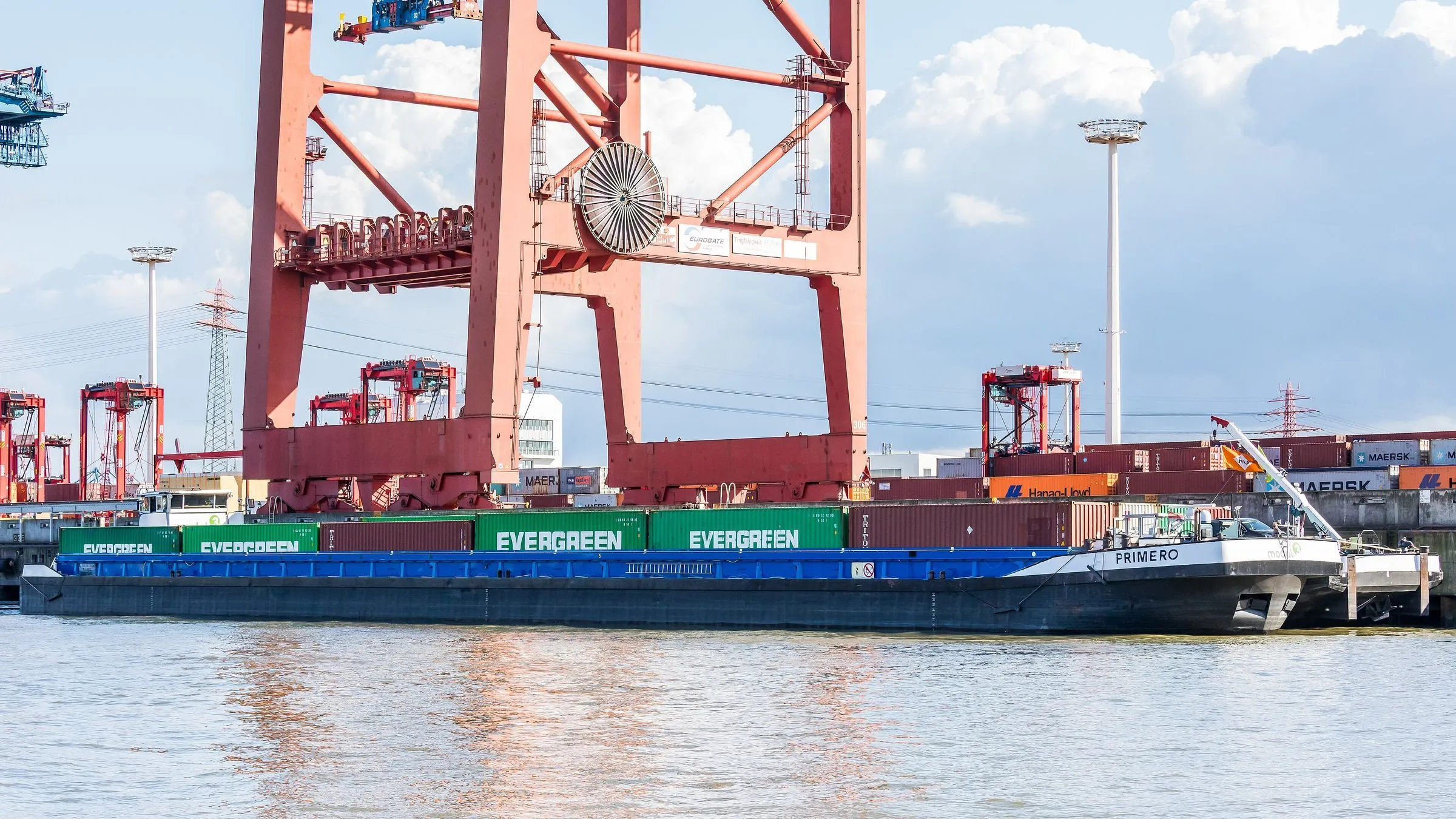
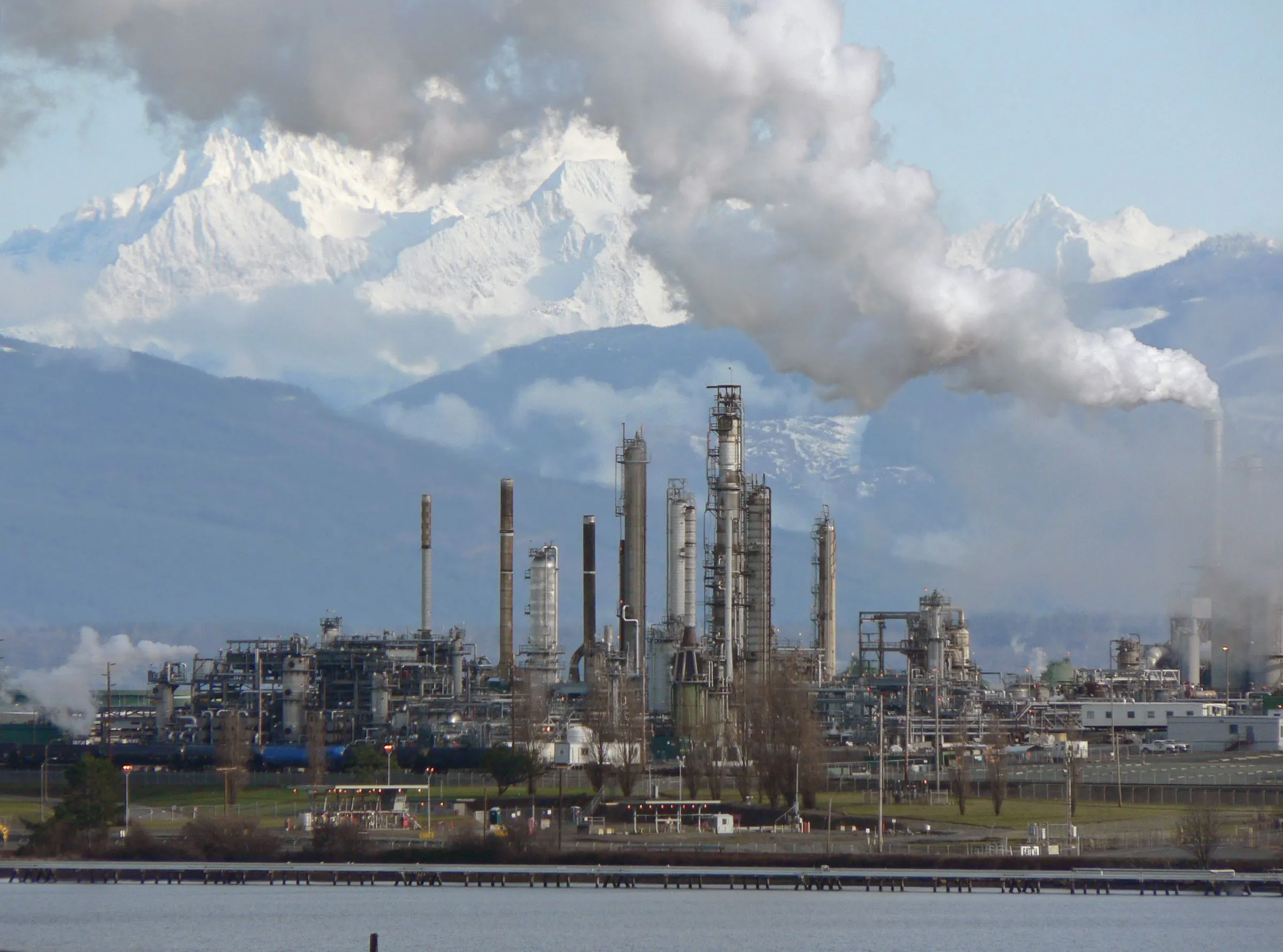
Oil has to be refined, transported and sold. The price is added to by refining costs, logistics, excise duties, taxes and the petrol stations’ mark-up.
The role of exchange rates
Oil is sold in dollars. So in countries with a weaker national currency, fuel gets more expensive even when the oil price does not change.
Why prices react to news
Investors and traders react not only to real changes but also to expectations. Reports of conflicts or new sanctions can raise prices before real supply changes.
What this means for the consumer
Fuel prices can change more slowly than on exchanges: companies take stocks and contracts into account.
The information is general. For current prices, see data from exchanges and fuel retail chains.