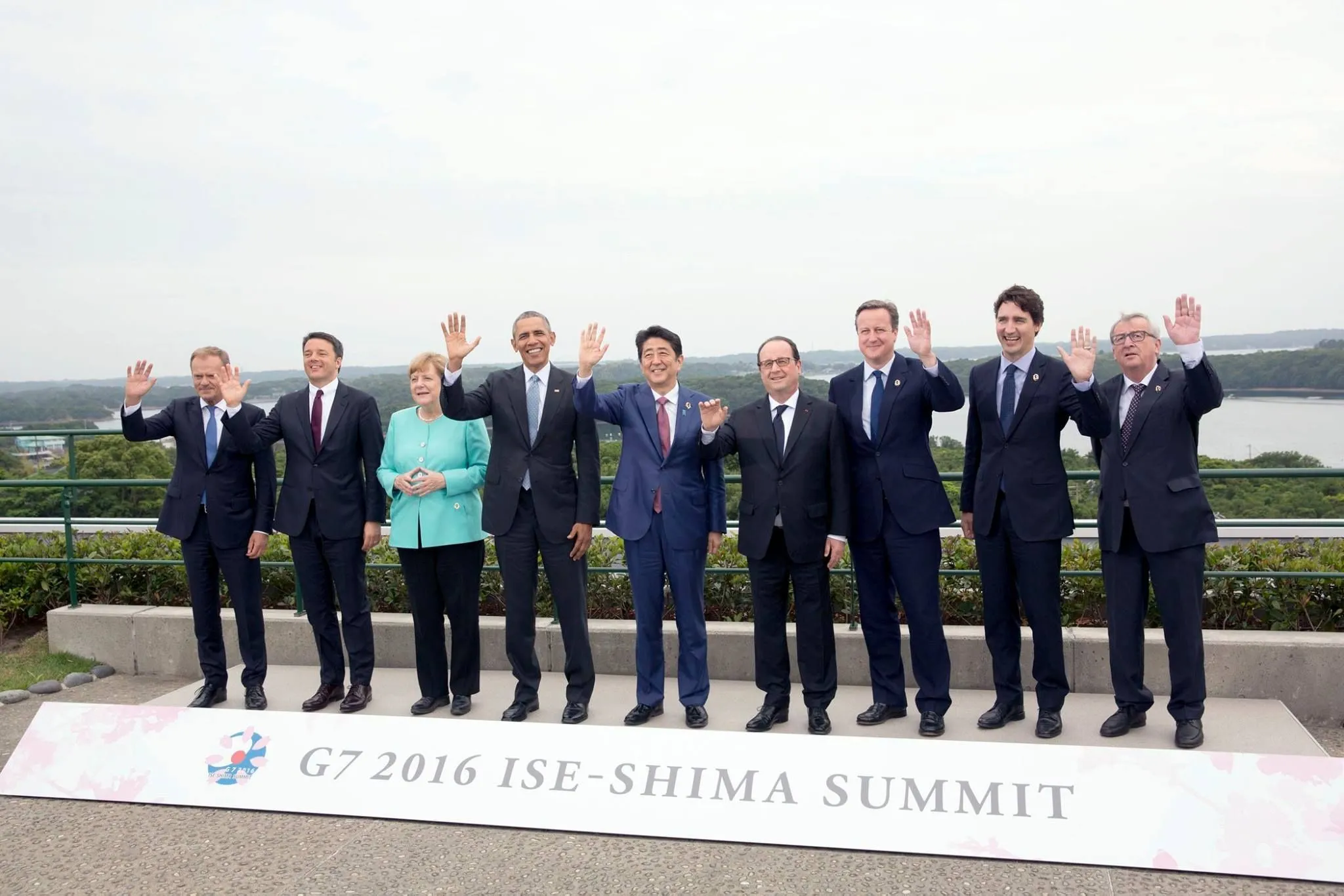
The G7 and G20 summits regularly make the news. They are not international organisations with permanent structures but forums of leaders.
The G7
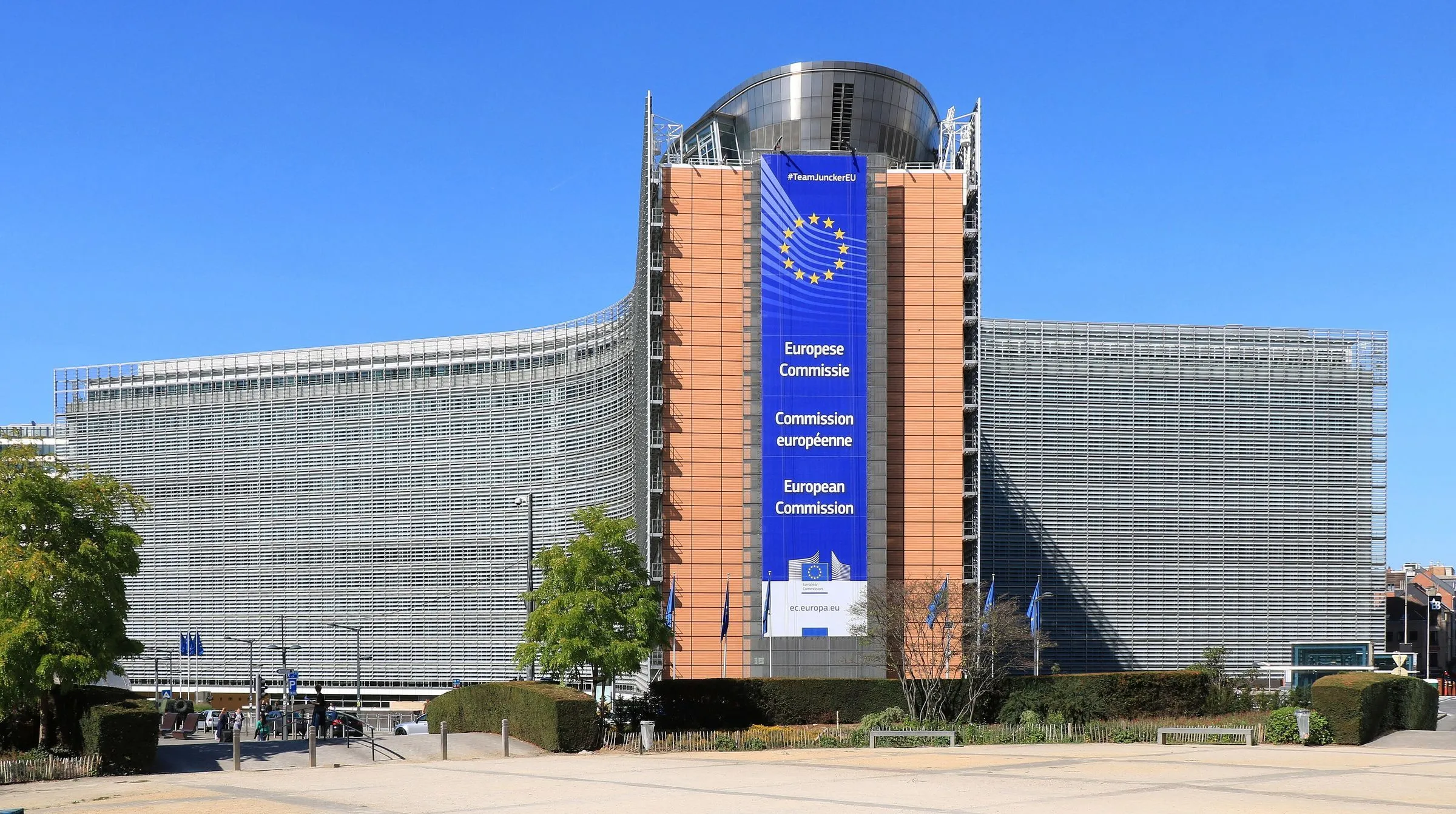
The group of seven developed economies: the United States, Canada, the United Kingdom, France, Germany, Italy and Japan. The European Union takes part in the meetings although it is not a full member. The group discusses the economy, security and foreign policy and coordinates the positions of democratic countries.
The G20
The “Group of Twenty” includes the world’s leading economies, among them developing countries: China, India, Brazil, South Africa and others. The European Union and the African Union are also members. Together, the G20 accounts for the overwhelming share of the world economy.
What the difference is
- Membership: the G7 is narrower and more homogeneous; the G20 is broader and more diverse.
- Focus: the G7 is more about politics and security; the G20 about the global economy and finance.
- Decisions: neither group adopts binding laws. Decisions carry political weight and depend on the countries’ will.
Why they are needed
Leaders can quickly align positions, exchange information and agree on joint action on crises, trade or climate.
Membership and the agenda change depending on the country that holds the presidency.